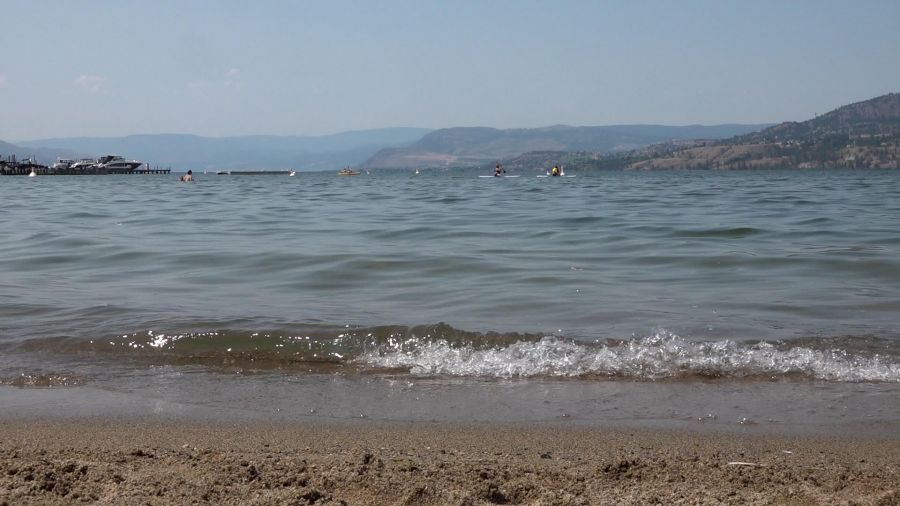
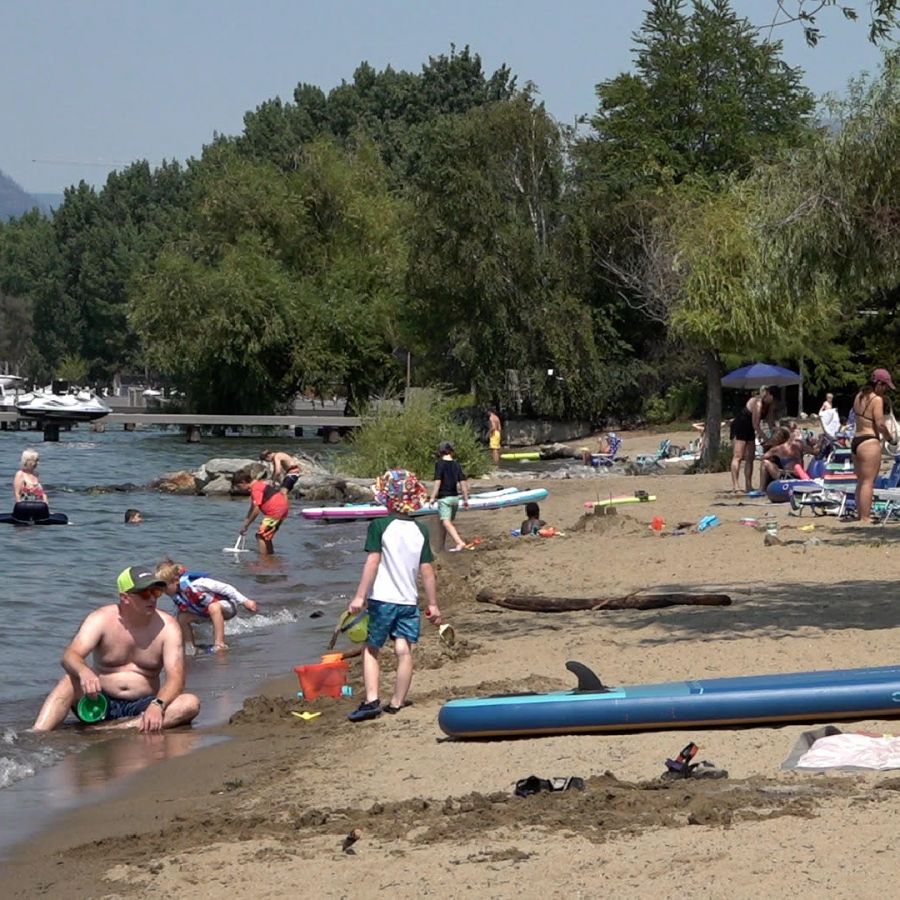
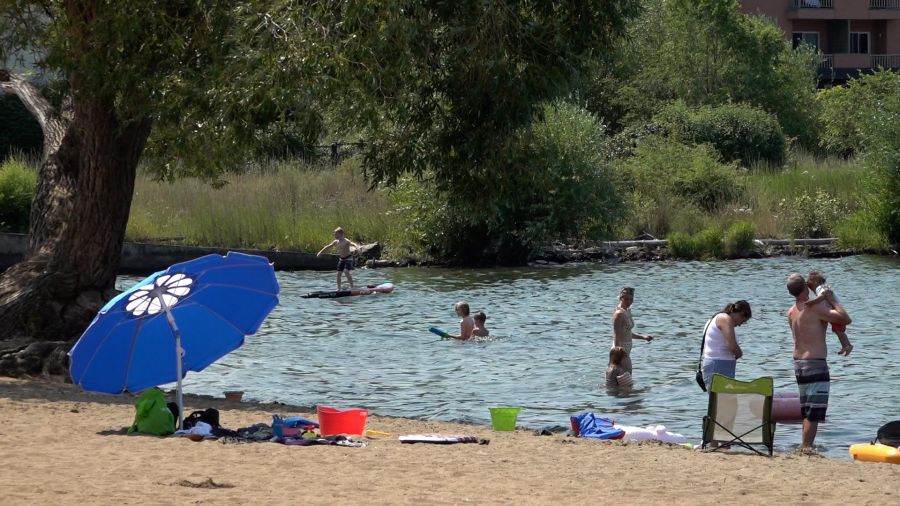
That's the word from Interior Health and the City of Kelowna days after some E. coli news gave some wondering if they should head to the lake during the heatwave.
"Our beaches are well-monitored," said Chris Russell, at Interior Health.
"Generally, the water quality in the Okanagan is good and people shouldn't be afraid to go swimming."
Russel's remarks come almost a week after news emerged of E. coli numbers 30 times the acceptable limit at Rotary Beach in West Kelowna's Gellatly Bay.
Testing shows the water quality there has since returned to acceptable levels.
Across the lake on the Kelowna side, no elevated levels of E. coli have been detected yet this year.
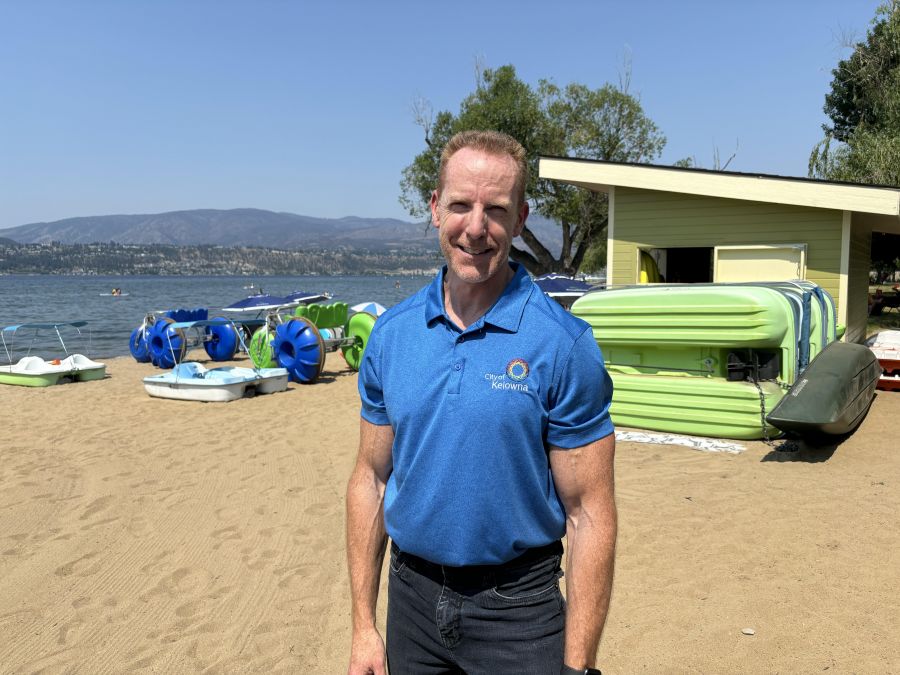
"Between May and Sept we test these beaches on a weekly basis," said City of Kelowna Water Quality Supervisor Ed Hoppe.
"And we traditionally have very, very low numbers at all of our beaches throughout the year."
When the numbers do rise above acceptable levels, he said the usual suspects are the ducks.
"If you're looking at high E. coli numbers traditionally it's always the ducks and geese," said Hoppe.
"People love feeding the ducks and geese," he added. "We strongly recommend against that because in the long run, it doesn't really help in terms of the water quality."
One weakness in water quality testing has been a delay of three or four days in getting test results back.
That's why the City of Kelowna has set up its own lab.
"Which then allows us to do the in-house testing and get the results within 18 hours," Hoppe explained.
"We can get much more rapid test results and actually indicate when there are issues, at the time."
He said people should feel confident that our beaches are safe for swimming.
"Absolutely," said Hoppe.
"If there is any associated risk, we let people know right away."
The City of Kelowna plans to learn even more the next time they see elevated levels.
The plan is to get a DNA test on a sample so the precise source of the problem can be determined.
The spike in E. Coli levels in Gellatly Bay is believed to have resulted from several days of rainfall ahead of the July 2 sampling.
The rain flushed water from bird habitats and storm drains, into Smith Creek which flows into the bay.
If you get value from KelownaNow and believe local independent media is important to our community we ask that you please consider subscribing to our daily newsletter.
Send your comments, news tips, typos, letter to the editor, photos and videos to news@kelownanow.com.