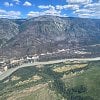
Kelowna's Mill Creek has been headline news in the city since the flooding began the night of May 4th.
Since then, the usually sleepy creek has been wreaking havoc, causing extensive damage to multiple businesses and homes in Kelowna.
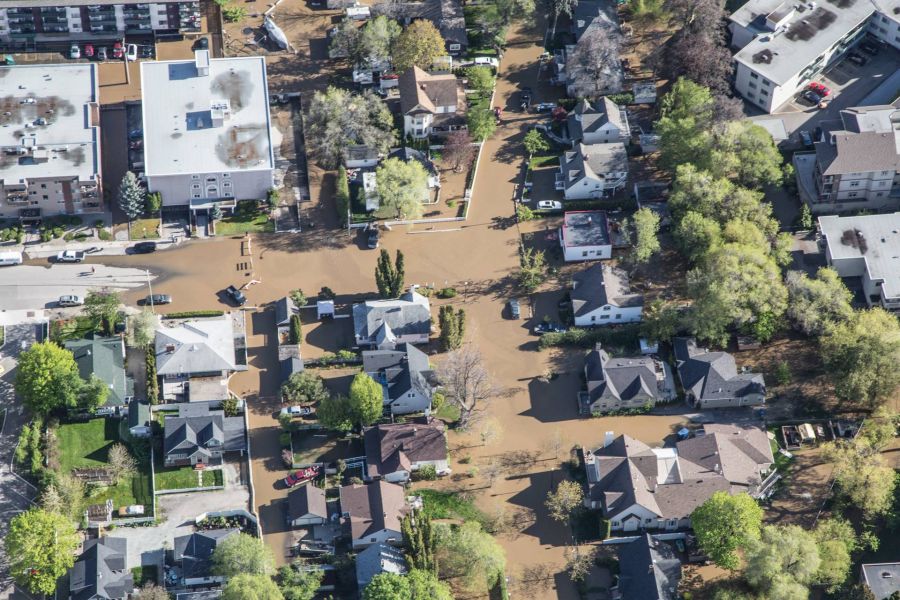
Several homes on Richter and Ethel roads were evacuated, and the overflowing waterway flooded homes on Burne Avenue.
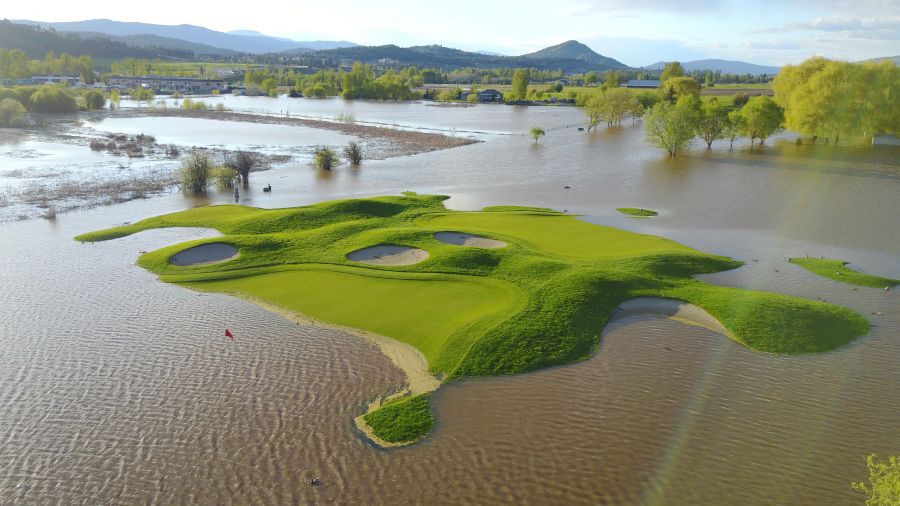
Mill Creek runs past Kelowna Springs and Shadow Ridge and forced both golf courses to close last week as well as Scandia Golf & Games, which has reopened but lost its downstairs mini golf course to the flood.
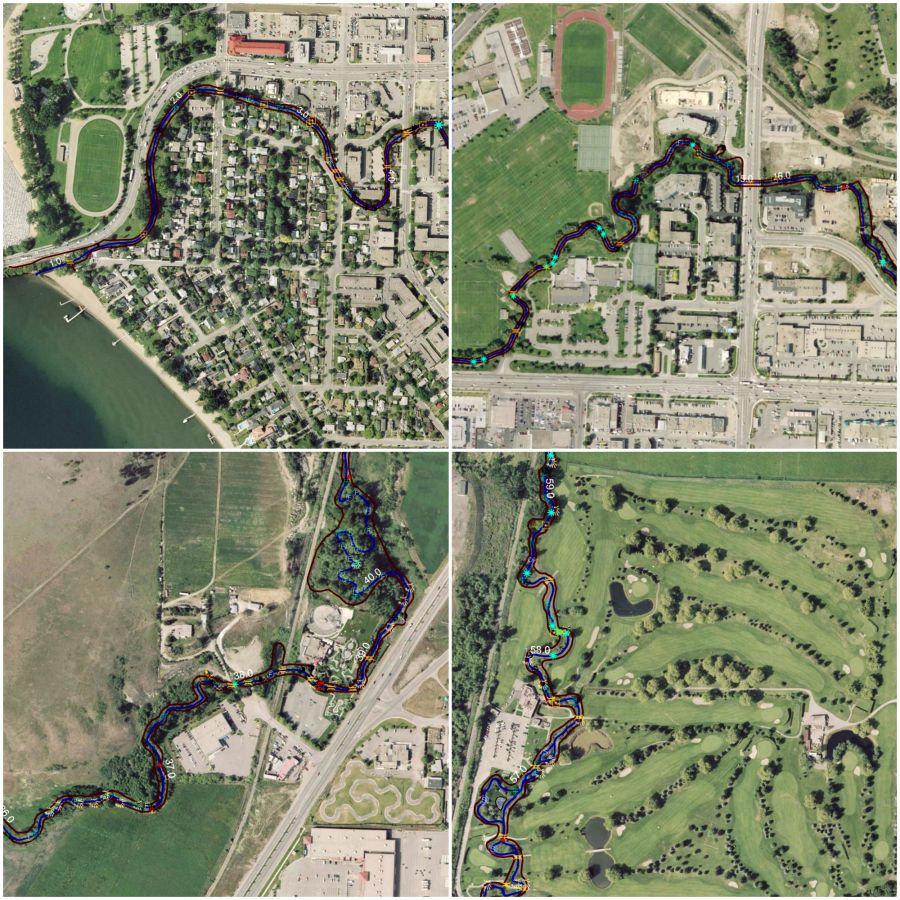
“Mill Creek begins at Postill Lake above the airport and comes down through Mill Creek Regional Park and then Scotty creek runs into Mill Creek just below the airport,” said Todd Cashin of the City of Kelowna.
“The creek runs down under Highway 97, past the Adams Road, Sexsmith Road area basically following the westside of Highway 97, through downtown and then flows into Lake Okanagan right beside city park.”
For a waterway that touches several neighbourhoods in the city, Mill Creek is rarely a topic of discussion but the creek has played a large role Kelowna’s history.
“Mill Creek was originally known as Peon Creek, named after William Peon, one of the first settlers in the valley,” said Kelowna Museum's Executive Director Linda Digby.
“In the 1880’s Frederick Brent established the first grist mill in the region along Peon Creek and subsequently the name changed to Mill Creek to reflect this very important industrial development in the region.”
Mill Creek was used to power Brent’s grist mill and provide irrigation to the many early farmers in the area. Before flood control infrastructure for Okanagan Lake was put in place at Okanagan Falls, flooding was very common for the lake and the creeks that feed it.
“The kind of flooding we are seeing now would have been very common until the flood control at the outlet of the lake at Okanagan Falls was built,” said Digby.
“For the preemptive people it was very common to build your house a bit up and away from the creeks as it was well understood that creeks flood regularly.”
According to Digby, this year’s flood was similar to what would be common place for early settlers during spring in the Okanagan.
This year's flooding was a result of a perfect storm type of situation that saw warm temperatures melt a large snow pack in the same period of time that heavy rains hit the valley.
“The last three months we've got a ton of moisture down low in the valley from all the rain, which led to ground being fully saturated and unable to soak any of the extra water from the melting snow pack,” explained Cahin.
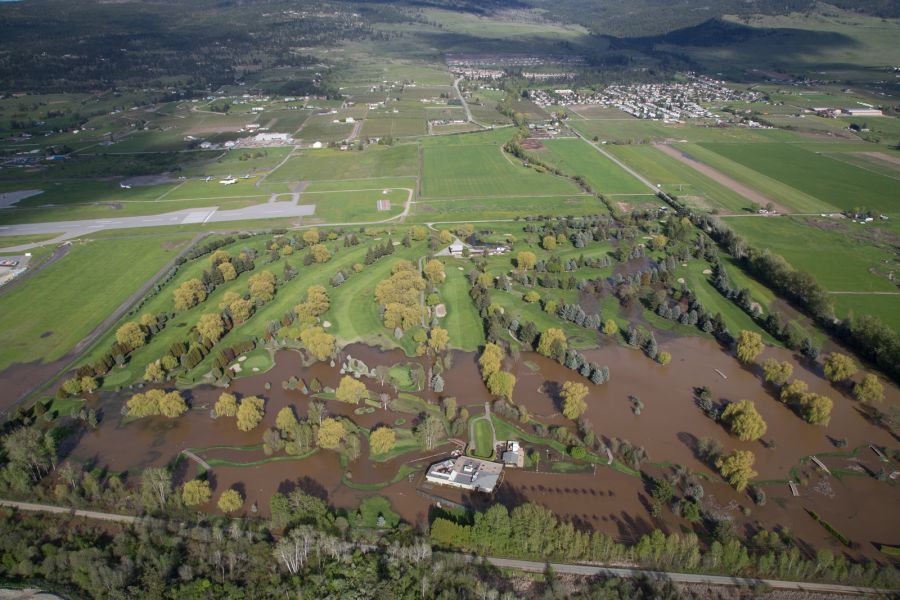
“So when it does rain, there's really nowhere more for the water to go.”
According to the Kelowna Museum’s Executive Director, the city's flooding over the past weeks is the largest in recent memory.
“One of the big floods people remember all across Canada is April 1948 where we had exactly this same situation with a lot of snow that started to melt fast and then heavy rain at the same time,” said Digby.
“I’m sure the past week’s flooding will be remembered for quite some time as well.”
Click here for our State of Emergency coverage.