It's the old supply-and-demand axiom.
Donations of cash and food to the Central Okanagan Food Bank are down between 5% and 20%.
Yet, demand for food by people in need in our community is up 23%.
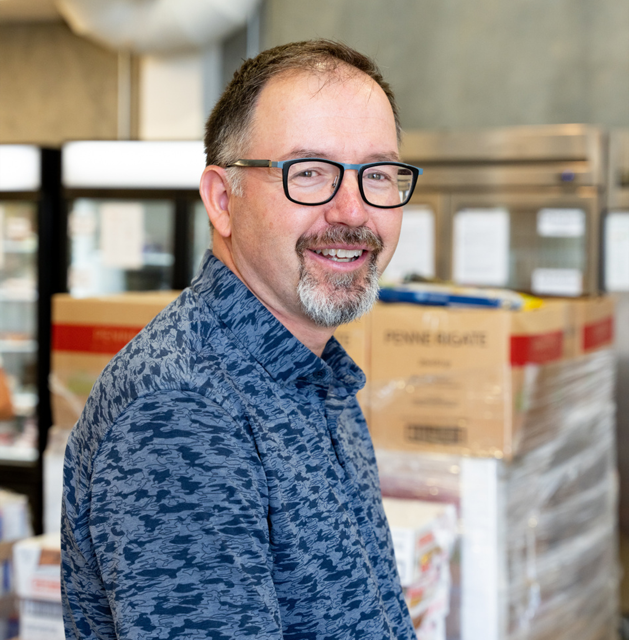
"I'm concerned for the future," said Central Okanagan Food Bank CEO Trevor Moss.
"This drop in donations and increase in clients is not sustainable."
Moss made his comments after a national news story this week pointed out that some food banks in Canada are scaling back exactly when people need them most.
Half the food banks in the country have been forced to reduce the amount of food they hand out, 90% have seen a decline in food donations and 80% are seeing fewer cash donations.
The food bank in Moose Jaw was cited as an example of one that reduced food distribution from twice a month to once a month per person or family.
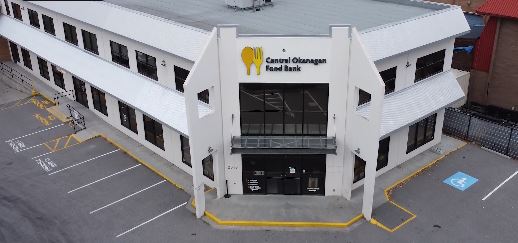
The Central Okanagan Food Bank, which operates locations in Kelowna and West Kelowna, has always limited food hamper pickups to once a month per person or family.
That frequency is not changing.
The local food bank also provides breakfast and-or lunch to 1,100 children a day at schools and sends backpacks full of food home with 600 students weekly.
"We're just meeting demand," said Moss.
"And that's not going to change because the biggest trend we're seeing is inflation and the cost of living going up. If people pay 60% to 70% of their income on rent that doesn't leave enough left over for necessities like food."
Such a scenario means 40% of Central Okanagan Food Bank users have a job but still need to visit the food bank because they can't otherwise make ends meet.
In the past, the those-with-jobs statistic was 25%.
"It dispels the myth that only the unemployed need the food bank," said Moss.
"The rising cost of food and living makes it difficult even for employed people."

There's no easy solution.
Of course, the Central Okanagan Food Bank always welcomes more food and cash donations.
See https://cofoodbank.com/
A cash donation goes a long way because the food bank can use its discounts with retailers, wholesalers and farmers to turn a $1 cash donation into $3 worth of food.
It is also working on strategies to collect more food before it would otherwise go to waste.
"We can't solve inflation," said Moss.
"But, we can ensure there is no waste."
The current situation with donations shows cash donations are down 5%, donations through the 'food rescue' program (that collects food close to expiry dates from grocery stores) are off 10% and community donations (individual and corporate drop-offs and contributions to food bins at grocery stores and other locations) are down 20%.
"The decline in donations is connected to the cost of living, for sure," said Moss.
Those that may have regularly donated in the past are feeling the financial pinch too and are donating less.
Overall, 11,000 individuals access hampers on a monthly basis from the Central Okanagan Food Bank.
These individuals comprise 44% children, 14% seniors, 19% single-parent households and 43% single persons (note: there is some overlap between categories).
26% of individuals seeking help over the past year are new the the food bank.
The Central Okanagan Food Bank distributes about $15 million worth of food annually with about 70% of that coming from 'food rescue' at grocery stores and community donations.
The food bank's $4.5 million a year operating cost for food purchasing comes from cash donations from the community, grants and some government funding.