The country watched in horror this summer as Fort McMurray burned.
The first signs of fire were reported on the first day of May, a sunny Sunday in Northern Alberta.
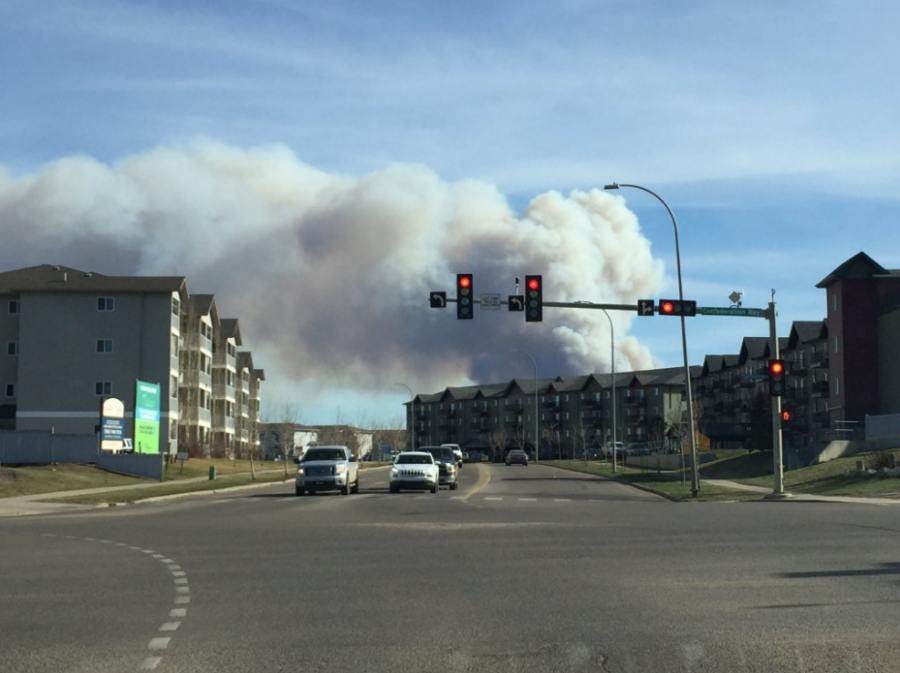
“You could actually see the smoke on Sunday,” Fort McMurray resident Robbie Picard told KelownaNow. “There wasn’t really a response at that moment in time and I think that’s when they should have done something.”
At that time it was a reported 120 hectares (ha) fire, and strong winds were blowing the flames towards the downtown core.
Within 24 hours the entire city was under a mandatory evacuation order.
“I got my two dogs in my truck and at that point flames were starting to hit our houses,” explained Picard, a resident of the Beacon Hill neighbourhood that was entirely wiped out by the fire.
Picard continued on to say that by the time he got gas and went back towards his house, everything was gone.
The fire spread so fast that, by May 4th, just three days after it was reported, the size of the blaze and number of evacuees far exceeded those from the 2003 Okanagan fires with almost 100,000 people being forced to leave the city.
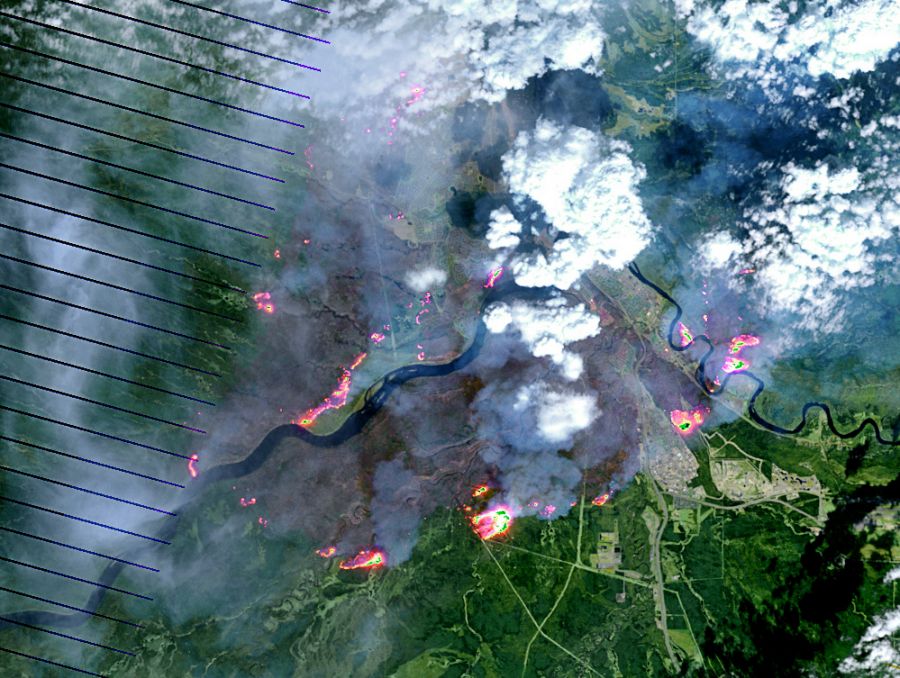
By then, 1,600 buildings had already been destroyed and a provincial state of emergency was declared.
The fires had become so big that they created a firestorm, producing their own weather in the form of lightning and wind influxes.
As tens of thousands of people scrambled to evacuate the city amongst walls of flames, the fires continued to grow.
Videos from the evacuation process show just how fast the blaze spread through certain areas and how tall the walls of flames were, often coming right to the side of the highways out of town.
Picard had the chance to be one of the first ones back in Fort McMurray to see the damage as he was tasked with driving MP David Yurdiga back into the city.
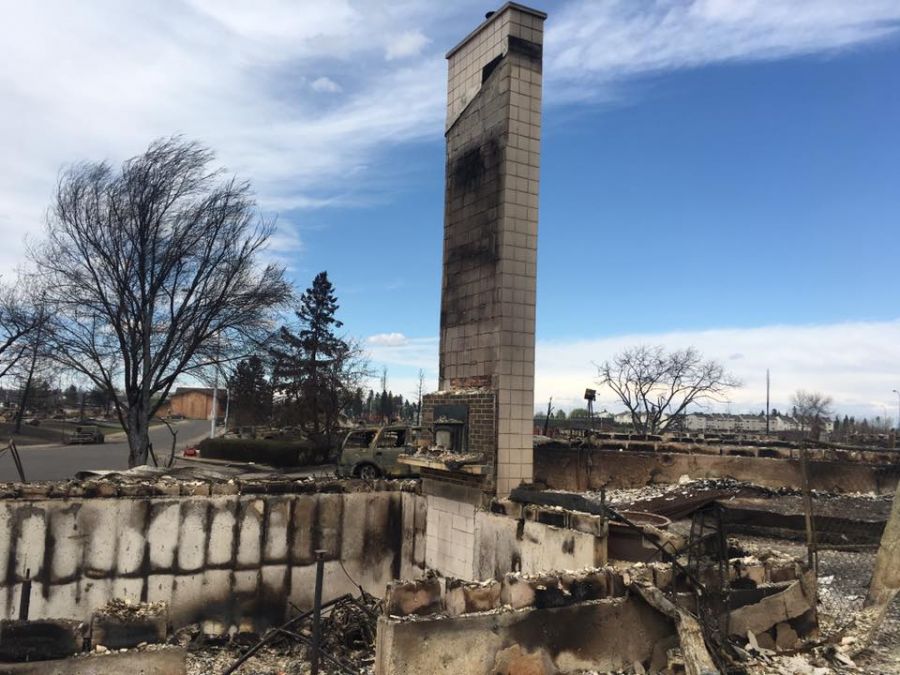
“All that was left was my chimney and a couple of cups,” said Picard.
On May 11th it was announced that the two major fires in Fort McMurray had joined up and was now a single fire measured at 229,000 ha.
At that point, there were 700 firefighters, 26 helicopters, 13 air tankers and 46 pieces of heavy equipment working to fight the fire, but despite all that it continued to grow and by May 16th it was measured at 504,443 ha.
On the first day of June, with the fire still labeled as "out of control" at 581,695 ha, evacuees started to return home to Fort McMurray with 2,360 firefighters and support staff, 96 helicopters and 279 pieces of heavy equipment still fighting the blaze.
By mid-June, cooler temperatures along with some precipitation aided firefighters in containing the fire and on July 4th, over two months since it began, the fire was declared under control.
While the fire seems like it was ages ago at this point, it’s actually still burning in Northern Alberta.
According to Alberta fire officials, the blaze continues to burn and smolder in deeper layers of moss and dirt and won’t be fully extinguished until the spring of 2017.
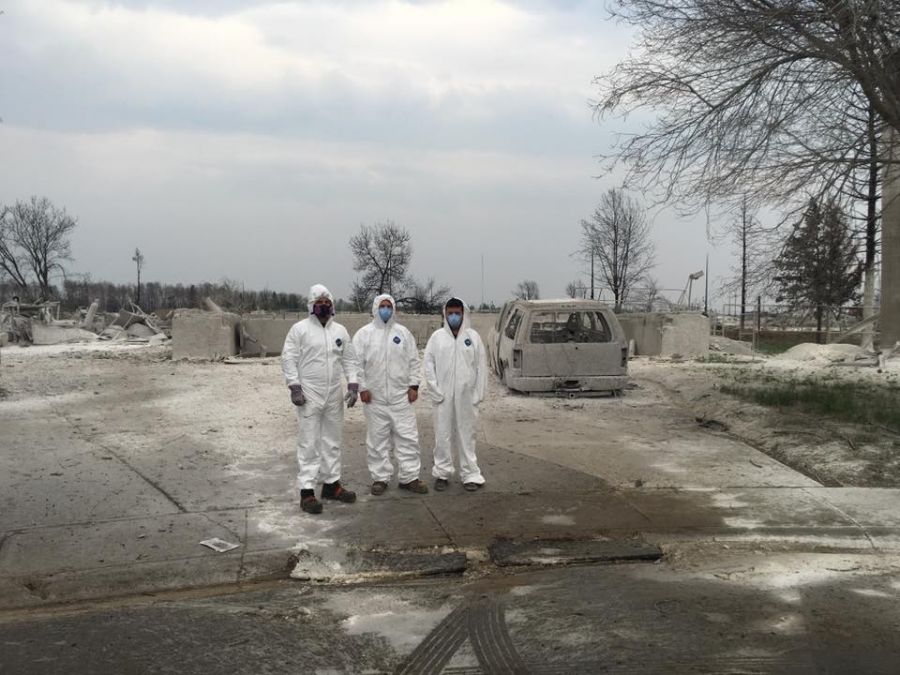
That hasn’t stopped people from returning to the city, but it’s by no means been an easy go for people trying to rebuild their life in Fort McMurray.
“It depends on the insurance,” explained Picard. “People that have bad insurance just have to build, but people with better insurance can wait until the timing is right.”
For Picard, who had good insurance, that means he’s waiting until the Spring to build, but that means he’s forced to stay in temporary housing until then, where the slippery floors have negatively affected his dog’s health.
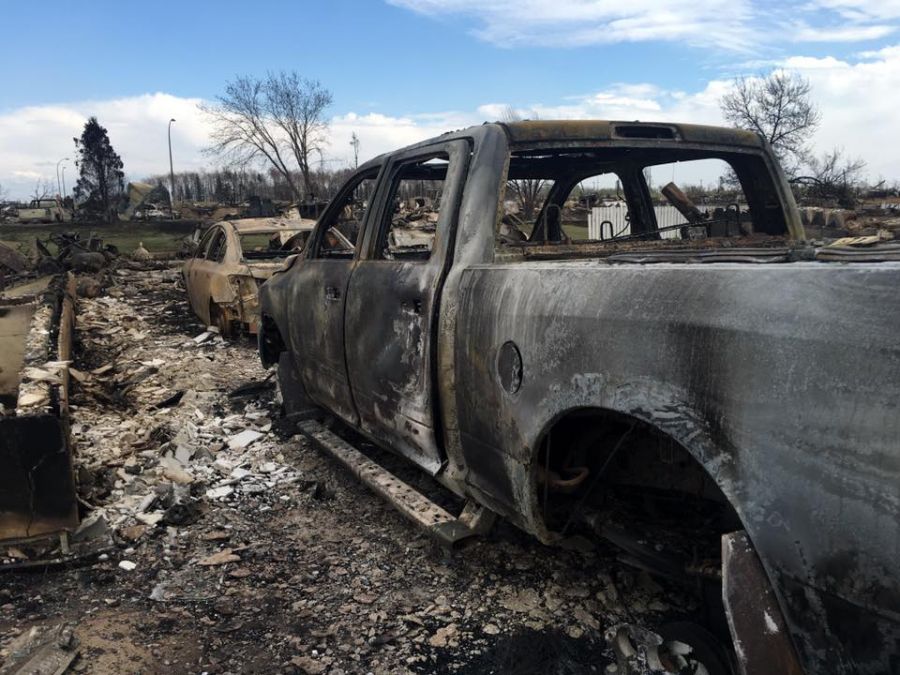
Furthermore, even when he’s able to build and move into a new home, Picard says he’ll basically be starting a new life.
“It’s not just like I lost my house, I lost my block, I lost my neighbours,” he explained. “My friend Erin isn’t coming back and I didn’t realize how much I relied on Erin until she told me she’s not coming back.”
While he can physically rebuild his house, there’s no way for Picard to rebuild the life he once had with so many neighbours starting their post-fire lives elsewhere.
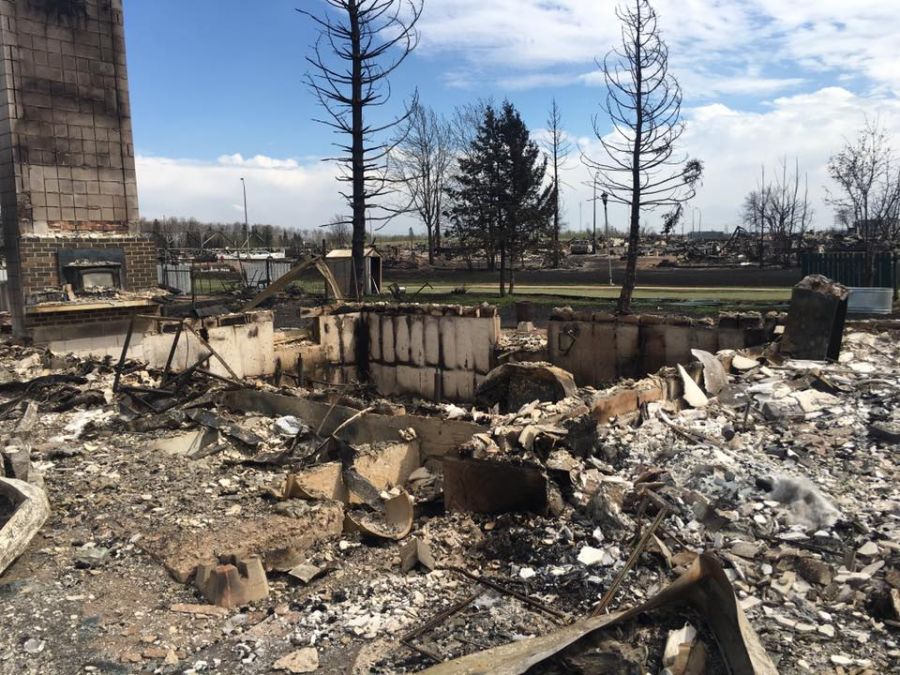
Despite the trying year, Picard’s attitude about the fire and life in general remains positive.
There are moments when you feel down and depressed, but then you look at the news in Syria and you see what happens there, those are people with real problems,” said Picard. “So I’m going through the emotions of a loss, more about my neighbourhood then my actual house, but at the same time I’m also realizing that we’re blessed and have a great community.”